

Do Lab-Grown Diamonds Look Different?
Posted by Koorosh Daneshgar on Jan 16th 2023

Summary
The popularity of lab-grown diamonds continues to rise among couples who want engagement rings from local sources including custom jewelers and Chicago-based jewelry stores. Many people wonder if lab-grown diamonds appear different from natural diamonds. Lab-grown diamonds match natural diamonds in appearance and chemical composition while maintaining their identical brilliance and fire and sparkle. Wedding Band & Co. in Chicago's central area assists clients to create personalized engagement rings and wedding rings through both natural and lab-grown diamond options. The ethically sourced stones offer excellent clarity and precision-cut styles including round, princess and emerald. Lab-grown diamonds offer luxury and value at the same level as traditional diamonds through their clean solitaire and eye-catching multi-stone setting options. The combination of sustainability and quality and affordability makes lab-grown diamonds the preferred choice for those seeking the top jewelry stores near me and diamond stores near me in Chicago. Our clients value the custom craftsmanship and expert consultations and deep understanding of Chicago jewelry designers who help bring each love story to life.
Here’s what we’ll cover in this article:
- Do Lab-Grown Diamonds Look Different?
- The Center Stone: Where It All Begins
- Optical Properties: Shine, Fire, and Brilliance
- Inclusions and Clarity: A Cleaner Look?
- Color and Cut: Precision and Variety
- How to Tell the Difference (Hint: You Can’t)
- Sentiment and Symbolism: What Matters Most
- Local Perspective: Why Chicago Loves Lab-Grown Diamonds
- The Ring Holds Greater Significance Than the Diamond It Contains
- Let’s Design Your Dream Ring in Chicago
Do Lab-Grown Diamonds Look Different?
A ring receives its core significance from the center stone which remains the subject of greatest scrutiny among all ring components. The selection between a solitaire ring and a multi-stone design and a halo ring depends on choosing that central diamond because it represents both emotional value and stylistic expression and symbolic meaning. Today's modern market presents couples with an essential decision:
Lab-grown diamonds differ in appearance from traditional diamonds.
Many clients at Wedding Band and Co. in Chicago require clarity in both their diamonds and their selection process when they design custom engagement rings and wedding bands. The analysis of lab-grown diamonds in ring anatomy includes a comparison of their brilliance along with their value and enduring quality.
The Center Stone: Where It All Begins
Every ring project starts with a mental picture which usually features a diamond as its primary stone. The stone serves as the ring's defining characteristic whether it rests on a prong setting or within a bezel.
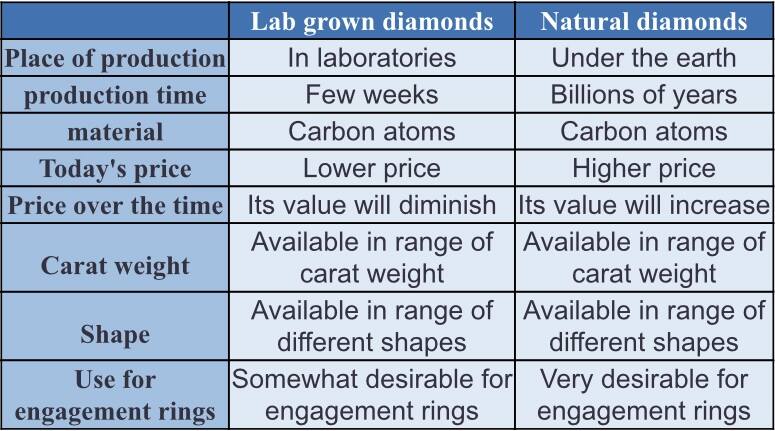
The production of lab-grown diamonds also known as man-made or engineered diamonds occurs through high-tech laboratory methods including Chemical Vapor Deposition (CVD) and High Pressure High Temperature (HPHT). The laboratory processes duplicate the natural formation conditions which diamonds experience deep in Earth's mantle.
The result? A genuine diamond maintains identical physical characteristics alongside chemical and optical properties found in naturally extracted diamonds.
So, does it look different?
To the naked eye, no. Lab-grown diamonds appear exactly like natural diamonds when viewed by the human eye.
Optical Properties: Shine, Fire, and Brilliance
The examination of diamonds involves studying their optical features which include brilliance (white light reflection), fire (colorful light displays) and scintillation (light effects that move with the stone). The diamond's visual appeal depends on these essential characteristics which enhance the brilliance of a well-cut stone during illumination.
The optical properties of lab-grown diamonds match those of natural diamonds in brilliance and fire and scintillation. The quality of these stones surpasses expectations because they contain minimal impurities and inclusions. The combination of better quality and affordability enables jewelers to provide higher clarity grades to their customers.
A custom engagement ring designed in Chicago will benefit from lab-grown diamonds which provide excellent sparkle quality without sacrificing any aspect of quality.

Inclusions and Clarity: A Cleaner Look?
The internal structure of a diamond displays inclusions as tiny flaws which develop during its crystallization process. Natural diamonds typically present various inclusions which include black carbon spots together with internal cracks that resemble feathers. Inclusions in diamonds influence the clarity grade which subsequently determines both the diamond's price and its visual appearance.
The inclusions found in lab-grown diamonds are smaller and fewer in number than those in natural diamonds which creates a cleaner appearance under magnification. Some lab-grown stones achieve “eye-clean” clarity at a lower cost point than equivalent mined diamonds.
The availability of lab-grown diamonds provides you with multiple choices for your clean and brilliant solitaire settings and multi-stone rings which demand visibility from every angle without any compromises.
Color and Cut: Precision and Variety
The cut of a diamond within a ring structure determines how the ring appears on the hand. The final appearance of light through a diamond depends entirely on its cut and shape including round brilliant, princess, oval and emerald cut styles.
Lab-grown diamonds receive their grading for color and cut using the same standards as natural diamonds through GIA and IGI. The controlled growth process of lab-grown diamonds produces stones with uniform colors and symmetrical shapes which surpass some natural diamonds.
Chicago custom ring design benefits from the flexible nature of lab-grown diamonds. Are you interested in obtaining blue or pink fancy colors for your gemstone? You want to use a big center stone without spending too much money. Lab-grown diamonds provide customers with an extensive range of color choices along with size possibilities which natural diamonds cannot deliver.

How to Tell the Difference (Hint: You Can’t)
The previous sections explained lab-grown diamond anatomy through visual and structural examinations. You cannot differentiate between natural diamonds and lab-created diamonds based on visual inspection alone.
Not with the naked eye. The human eye together with jeweler experience cannot detect differences without additional specialized tools.
To distinguish lab-grown diamonds from natural ones, professionals use tools like:
- The diamond tester evaluates thermal or electrical conductivity properties. * But not very reliable as lab-Grown Diamonds would still show as natural*
- Microscopes to spot growth patterns or laser inscriptions
- Raman spectroscopy uses light to analyze crystal structures for identification purposes.
These identification tools reveal minor differences which do not impact the diamond's visual appearance yet may affect resale value or identification procedures.
Wedding Band and Co. provides complete disclosure to all our customers. We clearly mark and verify all lab-grown diamond engagement rings sold at our Chicago store so you can verify their origin.
Sentiment and Symbolism: What Matters Most
This section focuses on the emotional aspects instead of technical details. The process of selecting a diamond involves more than choosing a gemstone since it represents the emotional bond between you and your love.
The appeal of natural diamonds emerges from their historical significance and limited availability for some couples. Couples who want ethical diamonds with sustainable features and cost-effectiveness choose lab-grown diamonds.
The most important factor for your ring selection should be the combination of your personal values with your personal style and your personal story.
The staff at Wedding Band and Co. assist Chicago residents to create personalized jewelry pieces that incorporate natural diamonds and lab-grown alternatives to reflect their life experiences.

Local Perspective: Why Chicago Loves Lab-Grown Diamonds
Chicago's dynamic character shows how lab-grown diamond engagement rings gain increasing popularity among couples. Why?
- Better value per carat
- Eco-conscious lifestyle alignment
- Custom design flexibility
- Lower environmental impact
Our position as a local Chicago jeweler in the jewelry district helps us understand the need for blending attractiveness with usability. We provide both natural and lab-grown diamonds to enable you in choosing the perfect ring for your preferences.
The ring holds greater significance than the diamond it contains.
The key question surpasses "Do lab-grown diamonds appear different?" The crucial thing to consider is "What message do you want your ring to express?"
A ring's entire beauty depends on the way its shank, gallery, prongs and center stone work together to create the final design. You can develop a ring with lab-grown diamonds that meets these conditions:
- Visually stunning
- Ethically sourced
- Budget-friendly
- Uniquely yours
Our team provides expert guidance to assist customers in choosing between a standard solitaire and a modern three-stone ring and custom design consultation when beginning their engagement journey.
Let’s Design Your Dream Ring in Chicago
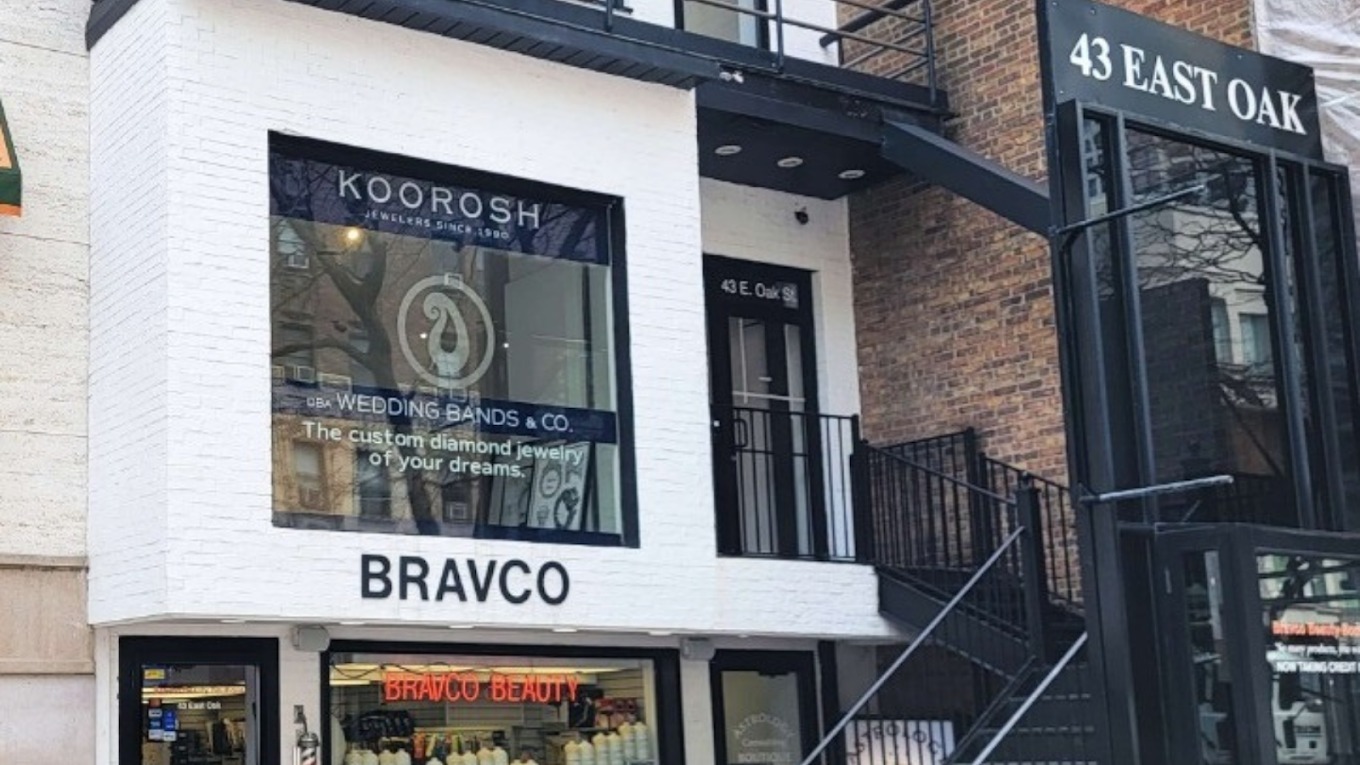
Every ring at Wedding Band and Co. receives special attention because it mirrors the unique nature of love it represents. We provide free consultations with expert advice and collaborative design services in Chicago as part of our services.
Ready to bring your vision to life?
Begin your customized engagement ring design process by selecting "Free Consultation" to meet with founder Koorosh Daneshgar for a personalized appointment.
Contact Us
Wedding Bands Company
Address: 43 E Oak St., FL 2, Chicago, IL 60611
Phone: +13129200726
Email: info@weddingbandscompany.com
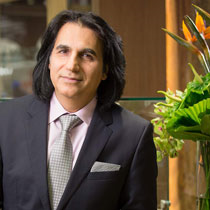
By: Koorosh Daneshgar CEO/Design Chief
We'll help you to design your dream engagement ring without stress and spending countless hours searching for your perfect ring. All you need to do is click on "Free Consultation" to get started.