

Where are Lab Diamonds Grown?
Posted by Koorosh Daneshgar on Jan 19th 2023

Anatomy of a Ring: Where Are Lab-Grown Diamonds Grown?
When couples begin designing a custom engagement ring or wedding band, one of the most significant and symbolic choices is the diamond. At the heart of every ring is a center stone—chosen not only for its sparkle but also for its story. In today’s evolving fine jewelry landscape, lab-grown diamonds have become a popular and purposeful choice, especially for couples who want a meaningful alternative to mined diamonds.
So, where are lab-grown diamonds actually grown? And why does their origin matter to the story of your ring?
At Wedding Bands & Co. in Chicago, we believe a diamond isn’t just a stone—it’s a reflection of the couple who chooses it. The origin, growth process, and values behind a diamond all play a role in what it symbolizes. Let’s explore how and where lab-grown diamonds are created and how their journey intersects with your own.
The Center of the Ring: A Lab-Grown Diamond
- The center stone is the focal point of an engagement ring. It’s the element that catches light and eyes, and it often represents the brilliance of the love story behind it.
- Many of our clients in Chicago are choosing lab-grown diamonds as their ring’s centerpiece. These diamonds are not simulants or imitations—they are real diamonds in every scientific sense.
- Lab-grown diamonds are made of pure carbon, just like natural diamonds. The difference is in their origin: one forms over millions of years underground, and the other forms over a few weeks in a controlled laboratory setting.
- The result? A diamond that is visually, chemically, and physically identical to its mined counterpart—but created with less environmental impact.
Where Are Lab-Grown Diamonds Grown?
Unlike natural diamonds, which are mined from the Earth’s crust, lab-grown diamonds are cultivated above ground in specialized laboratories. These labs are located in various parts of the world, each contributing in unique ways to the global supply of ethical, sustainable diamonds.
- United States:
The U.S. is a pioneer in lab-grown diamond technology. Companies like Diamond Foundry in California are at the forefront, using renewable energy sources and next-generation techniques to produce exceptional diamonds with low environmental impact.
- India & China:
These countries are major players in diamond manufacturing. India is especially known for its expert cutting and polishing facilities. Many lab-grown diamonds grown elsewhere are sent to India for finishing, making it an essential part of the lab diamond supply chain.
- Russia:
Long known for natural diamond mining, Russia is also investing in lab-grown production. Russian labs focus on producing high-clarity, large-carat stones for the international market.
- Europe:
Countries like the United Kingdom, Germany, and the Netherlands are emerging as boutique producers. These companies often focus on craftsmanship, artistry, and using sustainable energy in production.
Each diamond, no matter where it’s grown, begins with a tiny carbon seed and ends with a brilliant stone ready to take center stage in your ring.

How Are They Grown?
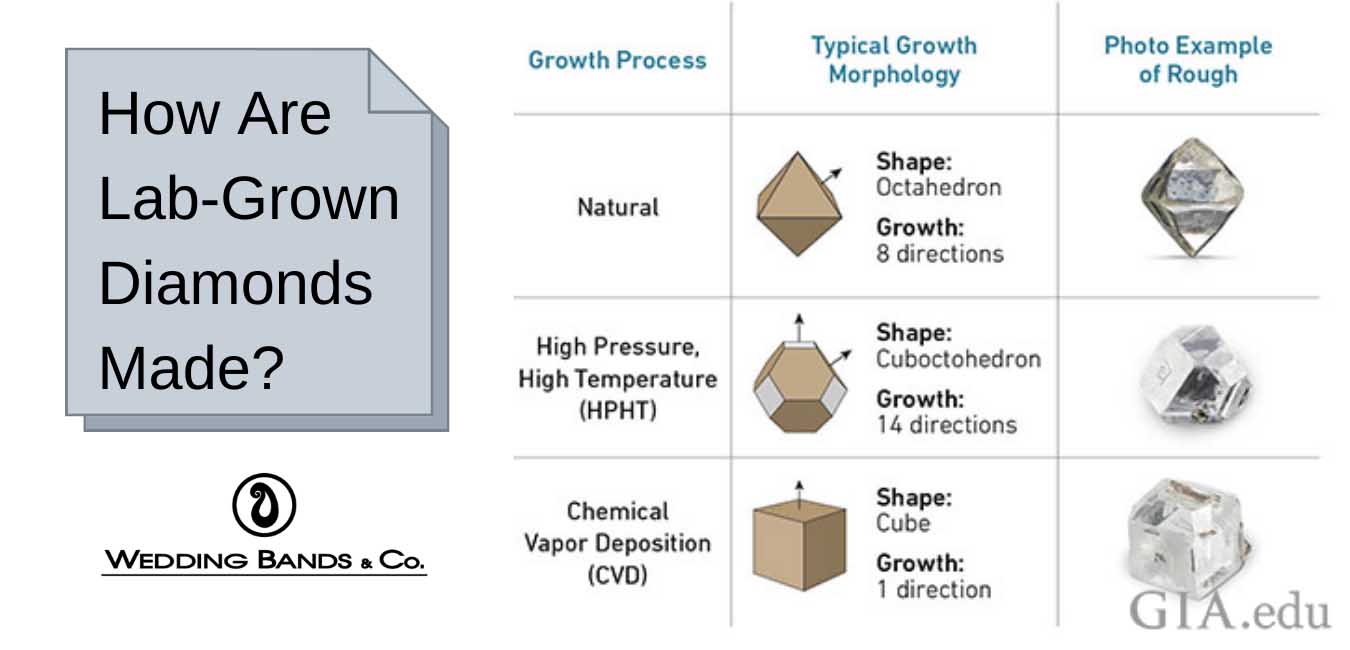
There are two primary methods for growing diamonds in a lab, and both require advanced science, extreme conditions, and precision.
- HPHT (High-Pressure High-Temperature):
This method simulates the intense heat and pressure found deep beneath the Earth’s surface. A diamond seed is placed in a carbon-rich environment and subjected to around 1,500°C and 1.5 million pounds per square inch of pressure. Over time, carbon atoms bond to the seed, forming a full diamond crystal.
- CVD (Chemical Vapor Deposition):
In this method, a thin slice of diamond seed is placed in a chamber filled with carbon-rich gas. Using microwave energy, the gas breaks apart and deposits carbon atoms onto the seed, layer by layer. This technique allows for greater control over diamond quality and shape.
Both processes result in real diamonds, each with unique growth patterns, just like natural stones.

Why Choose Lab-Grown Diamonds?
- Eco-conscious practices:
Lab-grown diamonds eliminate the need for large-scale mining, which can displace ecosystems and require significant water and land resources. Many labs also power their facilities using renewable energy, further lowering their environmental impact.
- Ethical origins:
Lab diamonds don’t involve the risk of conflict financing or unethical labor practices. Couples can choose their diamond with peace of mind, knowing it was made with integrity.
- Affordability and value:
Lab-grown diamonds typically cost 30–40% less than mined diamonds of the same size and quality. That means more flexibility in choosing a higher carat, a unique shape, or a custom setting—without sacrificing brilliance.
What Should You Know as a Shopper?
- Less regulation:
Mined diamonds are tracked by systems like the Kimberley Process, while lab-grown diamonds are still an emerging category without universal tracking. Partner with a jeweler who offers clear certifications and transparency.
- Less awareness:
Many shoppers are unfamiliar with how lab-grown diamonds are made. Our team ensures each client is educated and confident in their choice.
- Less tradition, more freedom:
Because lab diamonds are relatively new, they’re free from generational expectations. This opens up room for more creativity and personalization in ring design.
A Ring That Reflects You
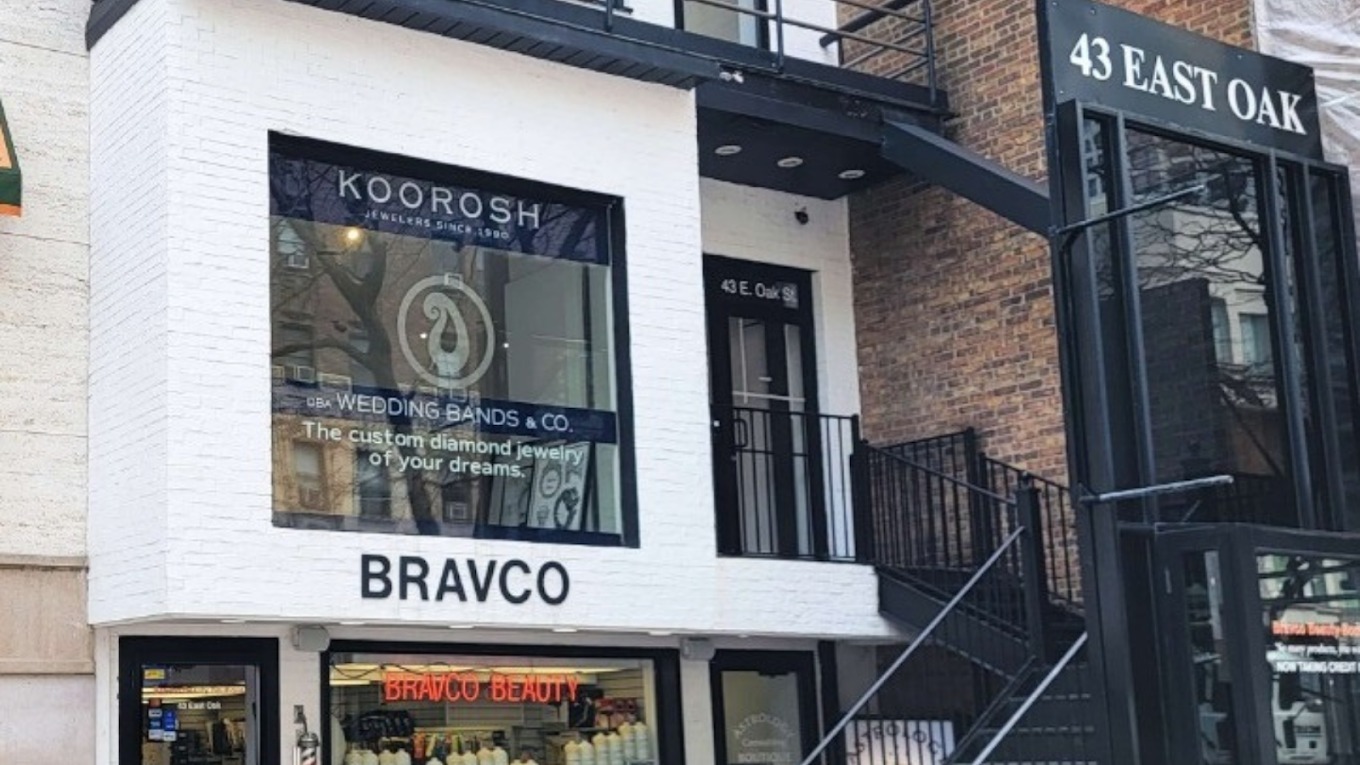
At Wedding Bands & Co., we’re proud to offer a thoughtfully curated selection of lab-grown diamonds. Whether you’re choosing your center stone or dreaming up the perfect custom design, our diamond consultants are here to guide you every step of the way.
Let your ring tell a story rooted in beauty, brilliance, and values—because every love story deserves a diamond that reflects it.
Visit us:
Wedding Band & Co.
43 E Oak St, Second Floor, Chicago, IL 60611
+13129200726
By: Koorosh Daneshgar CEO/Design Chief
We'll help you to design your dream engagement ring without stress and spending countless hours searching for your perfect ring. All you need to do is click on "Free Consultation" to get started.